When Is the Best Time to Trim Trees in the Pacific Northwest?
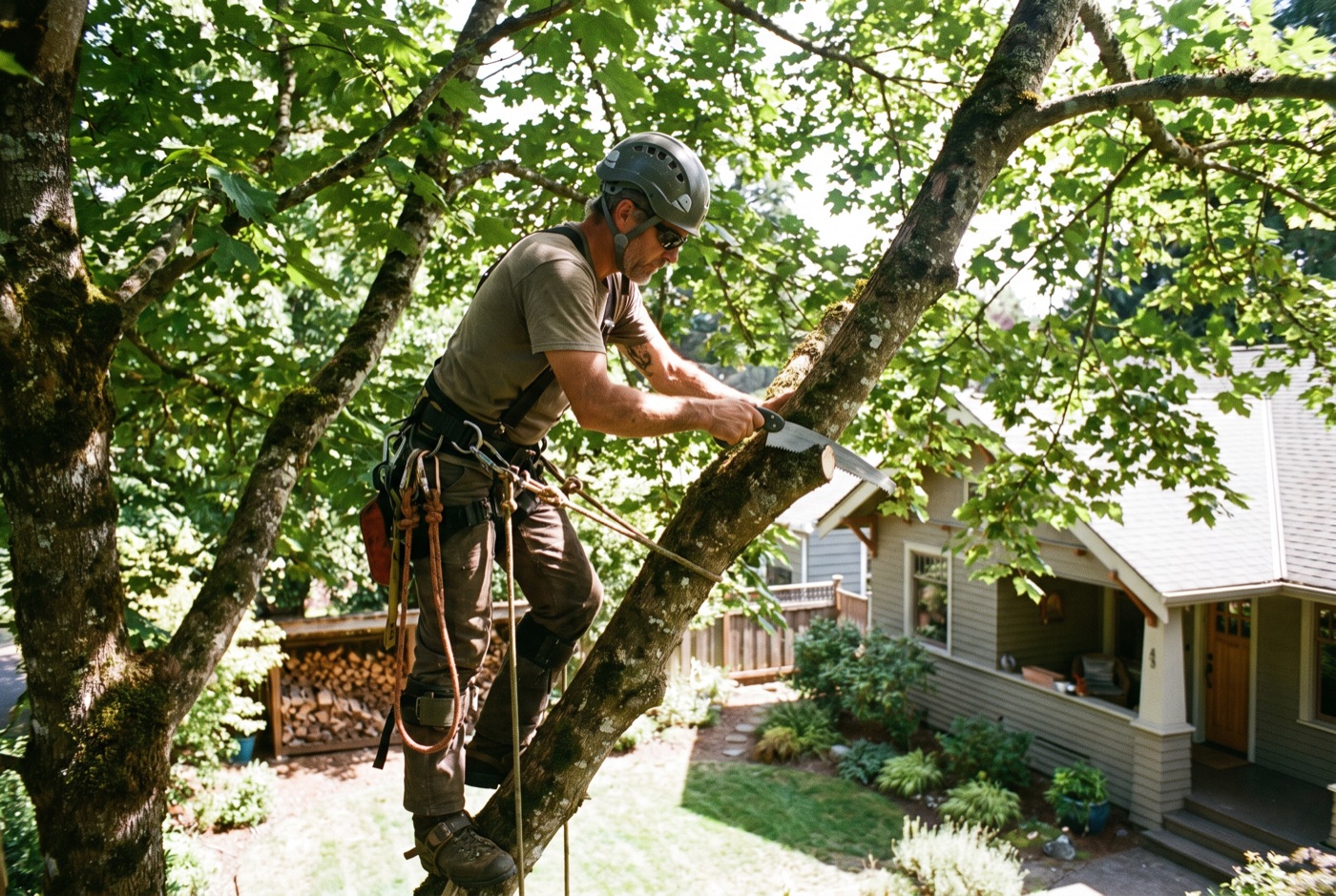
West of the Cascades, our mild wet winters and dry summers give trees a rhythm — and pruning at the right point in that rhythm makes a real difference. Here’s how the seasons stack up for the Seattle area.
Late winter to early spring — the sweet spot
For most trees, late winter through early spring, before bud break, is ideal. The tree is dormant, its structure is easy to read with the leaves off, wounds seal quickly as growth resumes, and there’s less disease pressure. This is when we do most structural pruning.
Summer — fine for light work and views
Summer is good for light pruning, deadwood removal, and opening up views once you can see the full leafed-out canopy. It’s also when many hazard issues become obvious. Avoid heavy pruning in a hot, dry stretch, which stresses the tree.
Fall — the season to be careful
Early fall is generally the worst time for major pruning: many decay fungi are releasing spores, and fresh cuts are prime infection sites. Save the big work for winter. Light cleanup is fine.
Anytime — safety doesn’t wait for a season
Broken, dead, diseased, or hazardous limbs should come off whenever you spot them, regardless of the calendar. A limb hanging over the driveway isn’t going to wait for February.
Special cases worth knowing
- Flowering trees (cherries, magnolias): prune right after they bloom so you don’t cut off next year’s flowers.
- Maples and birches “bleed” sap heavily if cut in late winter — not harmful, but many prefer to prune them in summer.
- Storm-prone conifers: thin before the fall/winter windstorm season so there’s less sail for the wind to catch.
More tree care guides
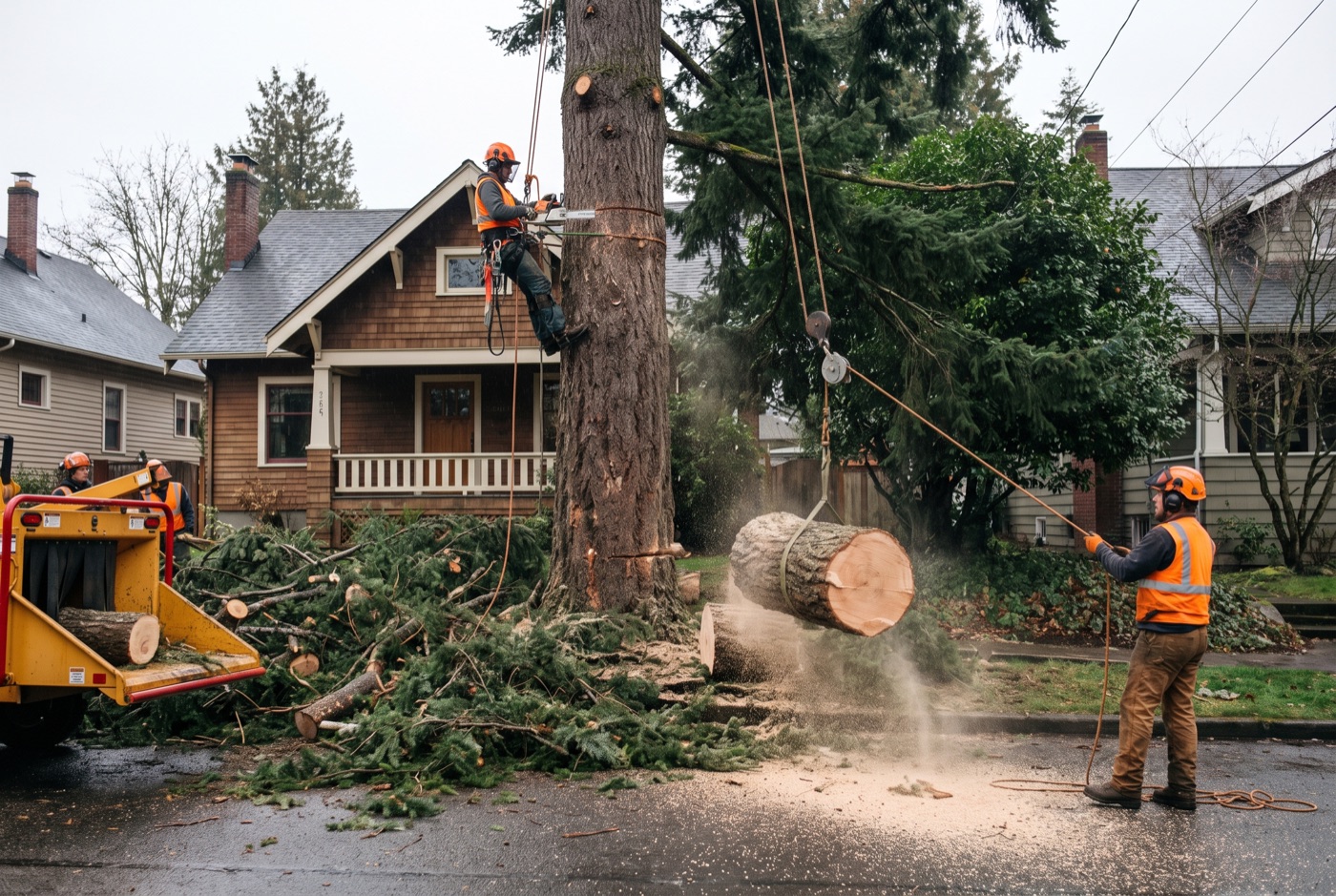
How Much Does Tree Removal Cost in Seattle? (2026 Price Guide)
What actually drives the price of tree removal in the Seattle area — size, access, hazard, and cleanup — plus honest ballpark ranges and how to avoid the “cheap” quotes that cost you later.
6 min read Read guide →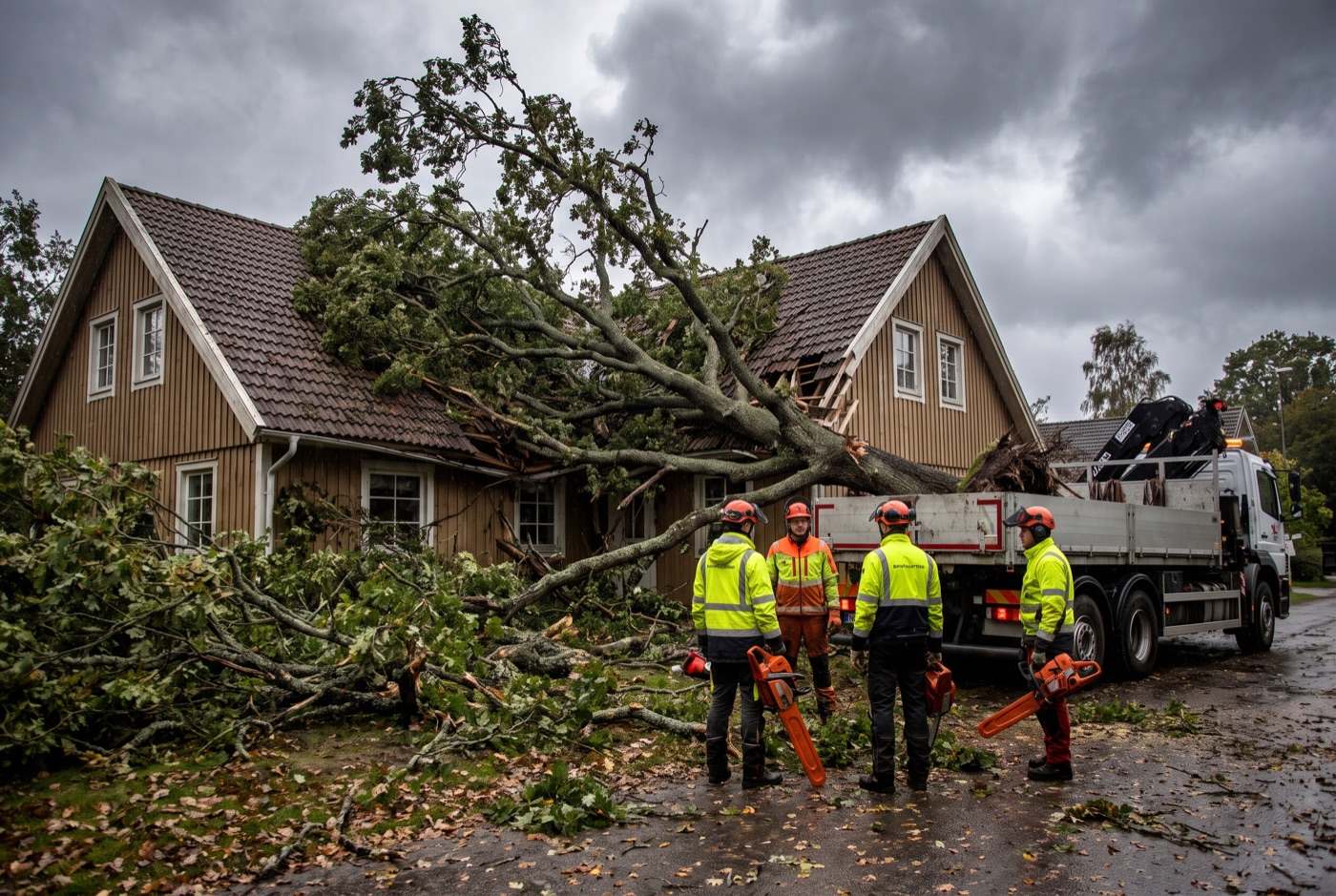
7 Warning Signs Your Tree Is Dangerous and May Need Removal
Most trees that fail give warning first. Here are the seven signs an arborist looks for — from lean and root heave to fungus and deadwood — and what to do if you spot them.
5 min read Read guide →A Tree Fell on Your House — Here’s Exactly What to Do
A calm, step-by-step checklist for the worst-case moment: how to stay safe, protect your insurance claim, and get the tree off your home fast.
4 min read Read guide →