Tree Topping vs. Proper Pruning: Why Topping Ruins Trees
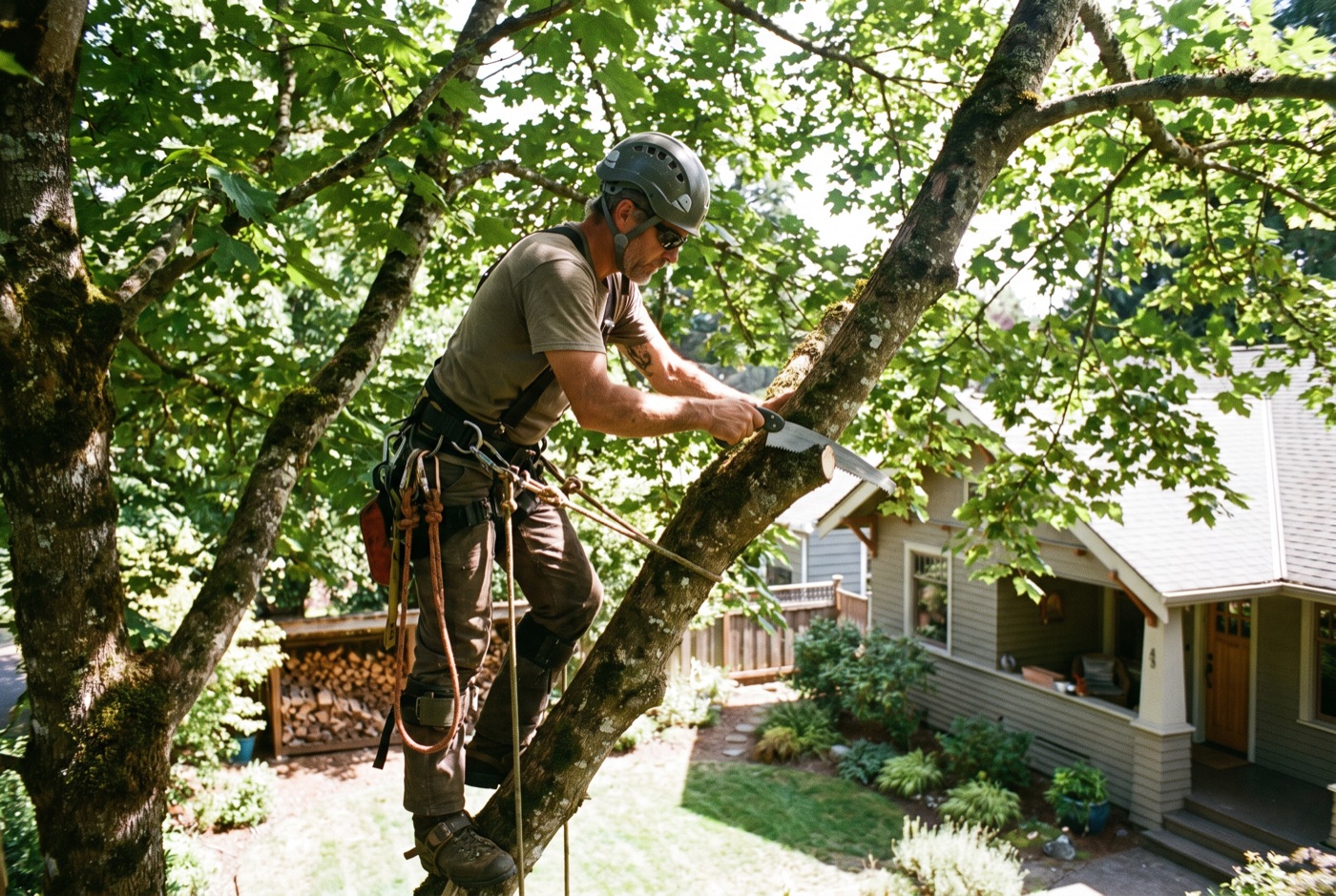
“Can you just cut the top off so it’s not so tall?” We hear it a lot. And the honest answer is: we can, but we won’t — because topping is one of the worst things you can do to a tree. Here’s why.
What topping actually is
Topping is cutting large branches (or the whole crown) back to stubs, with no regard for where the natural cut points are. It’s fast and cheap, which is why unqualified crews push it. It’s also destructive.
Why topping backfires
- It creates weak, dangerous regrowth. A topped tree panics and sends up dozens of fast, spindly “water sprouts” attached only to the outer bark. Within a few years you have a taller, denser, weaker canopy than before — the exact opposite of what you wanted.
- It invites decay. Big stub cuts can’t seal properly, so they become entry points for rot and insects that hollow the tree from the wound down.
- It starves the tree. Stripping the canopy removes the leaves it feeds on, stressing it and often killing it slowly.
- It’s ugly and it lowers value. A topped tree never recovers its natural form, and a yard full of them reads as neglected.
What proper pruning does instead
ISA-standard pruning works with the tree’s structure:
- Crown thinning selectively removes branches to let wind and light through — so storms are less likely to take a limb down.
- Crown raising lifts the lowest branches off your roof, gutters, and sightlines.
- Crown reduction, done right, shortens a tree by cutting back to healthy lateral branches that can take over — reducing height without the topping damage.
- Deadwood removal takes out the dead and hazardous limbs specifically.
More tree care guides
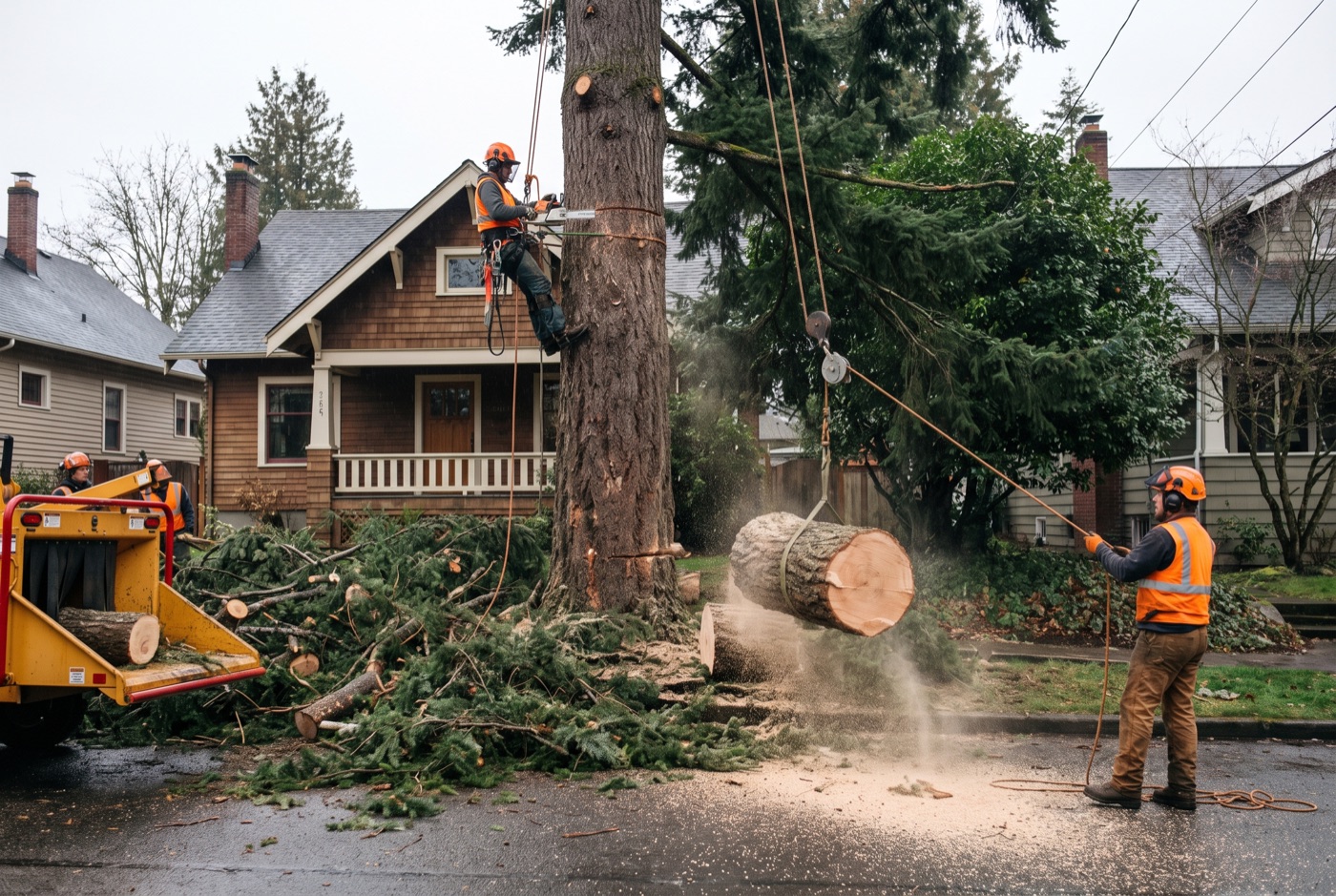
How Much Does Tree Removal Cost in Seattle? (2026 Price Guide)
What actually drives the price of tree removal in the Seattle area — size, access, hazard, and cleanup — plus honest ballpark ranges and how to avoid the “cheap” quotes that cost you later.
6 min read Read guide →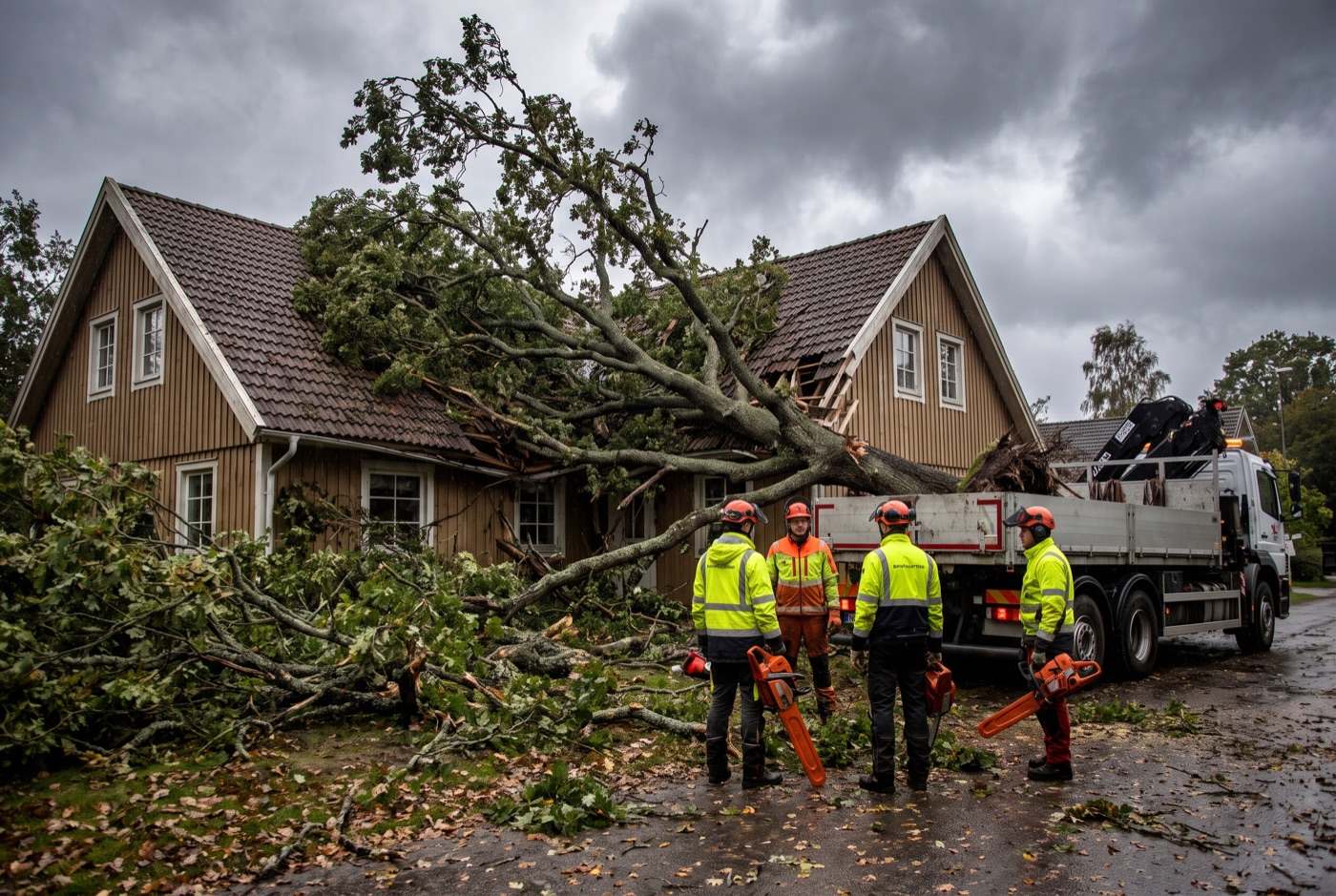
7 Warning Signs Your Tree Is Dangerous and May Need Removal
Most trees that fail give warning first. Here are the seven signs an arborist looks for — from lean and root heave to fungus and deadwood — and what to do if you spot them.
5 min read Read guide →A Tree Fell on Your House — Here’s Exactly What to Do
A calm, step-by-step checklist for the worst-case moment: how to stay safe, protect your insurance claim, and get the tree off your home fast.
4 min read Read guide →